
Initiatives
Investment in Families
A first-of-its-kind, 10-year initiative partnering directly with families in Kent County to understand what they need to flourish and what systems need to change to make that possible.
About the Initiative
The Investment in Families Initiative is a 10-year participatory research project in partnership with 30 Family Leaders* in Kent County, Michigan. Now in its second year, the initiative prioritizes the shifting needs of families as they change and grow, while helping the Foundation develop new strategies to work alongside the communities we serve.
The initiative has two components: a learning cohort study and policy campaigns. Together with family leaders, we’re studying the impact of wraparound supports designed around needs and solutions proposed by the families themselves — identifying what’s working, what policies need to change, and where additional opportunities exist.
*Family Leaders definition: Family Leaders are the 30 women participating in the Investment in Families cohort. They are all Kent County mothers with expertise in leading their families.
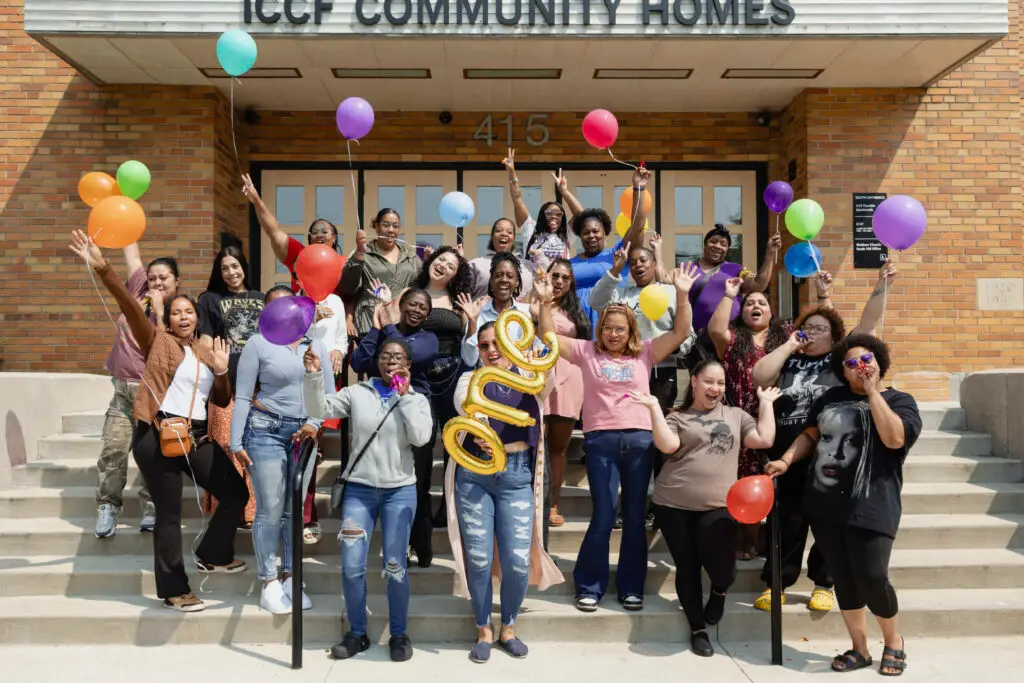
Family Leaders celebrate completing Year 1 of the Investment in Families the Initiative.
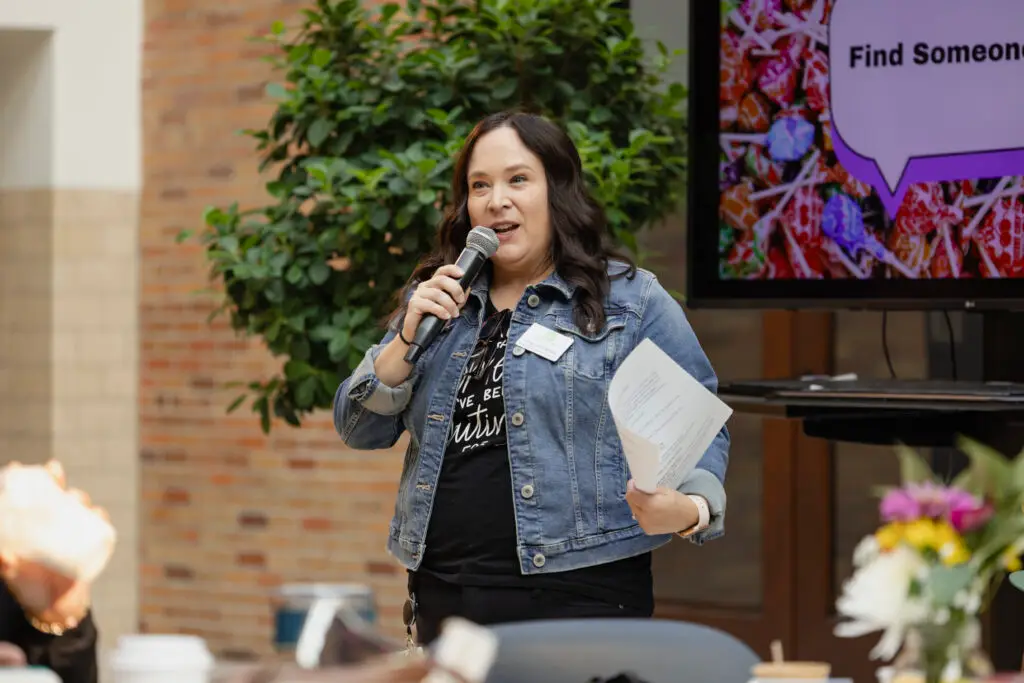

How it Works
By creating room to breathe, family leaders and their families are able to work toward self-determined goals, build economic stability and social networks, and enhance overall well-being. We share resources and holistic support with the cohort over 10 years, reducing cognitive load and increasing personal agency so families can focus on the futures they envision.
In partnership with our research team at DataWise Consulting, family leaders, and community partners, the initiative centers on families with children age 12 or younger — following evolving needs, emerging strategies, and progress toward goals through ongoing touchpoints and collaboration.
Working directly with family leaders to define what “success” meant to them, the following resources and supports were identified:
- Monthly $1,000 direct cash transfers to reduce cognitive load
- Child Savings Account education, setup support, and $100 initial investment per child
- Quarterly cohort gatherings to strengthen social support systems, including a child experience
- Wellness, respite, and mental health support
- Coordinator/coach for goal setting, systems navigation, and gathering coordination
- Opportunities to co-lead as advisors and thought partners
The cohort was selected in August 2024 and is currently in its second year.
The cohort is not currently accepting new applications.
What We're Learning
In year one, three themes emerged from the voices and experiences of our Family Leaders.
Financial Stability
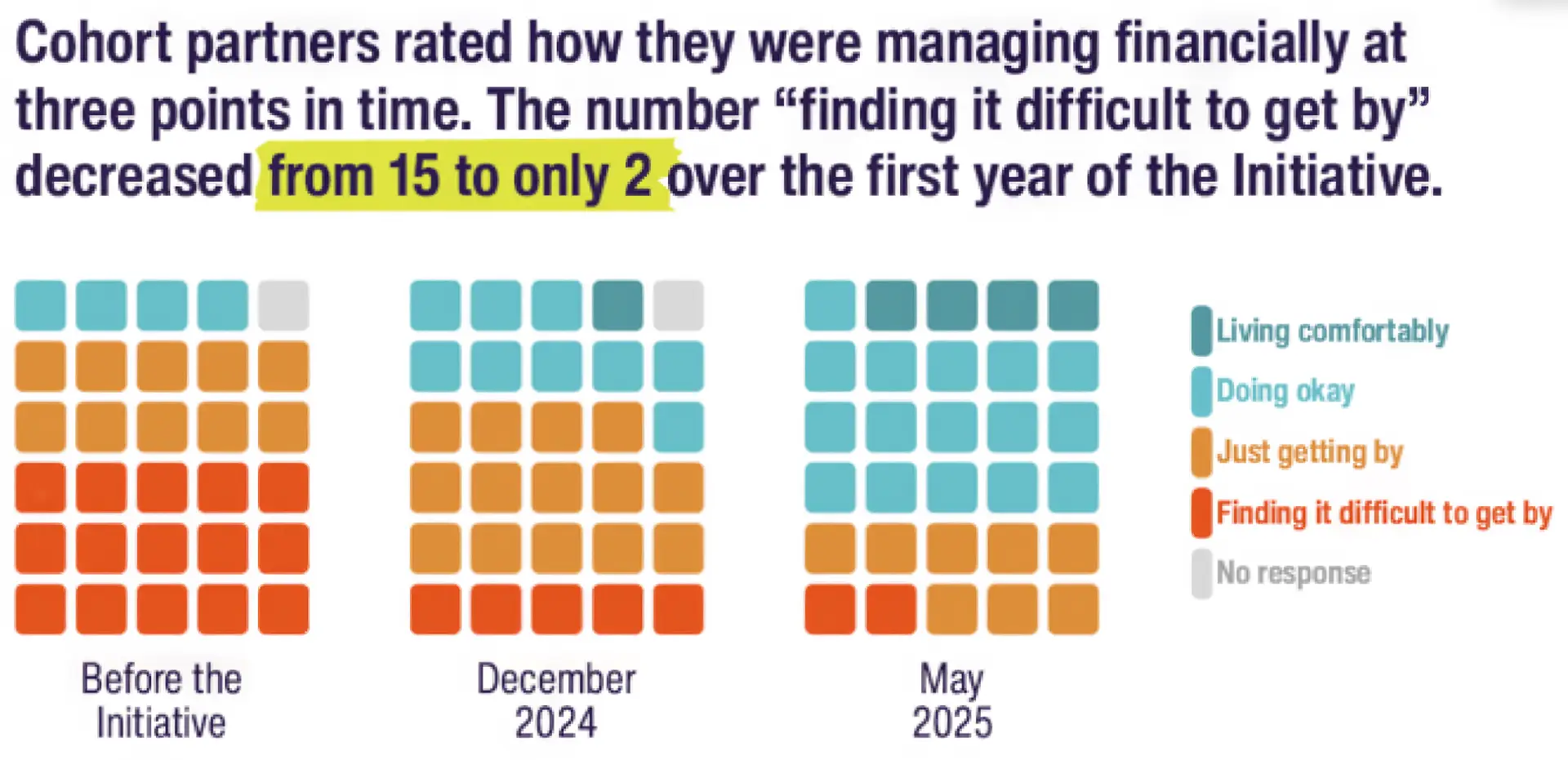
We learned that financial stability not only allows families to meet their basic needs, but also frees up mental energy to intentionally plan for the future.
What we heard from Family Leaders:
“Now I’m feeling like I’ll be able to save more, and invest more, and be able to just better sustain, or not just be in the survival mode, actually kind of transitioning into the thriving…”
— Family Leader
“I’m in the most peaceful place I’ve ever been in my entire 34 years because I don’t have to worry about surviving, and I can just live.”
— Family Leader
How we see this learning in the data:
Click image to view larger.
Mental Health
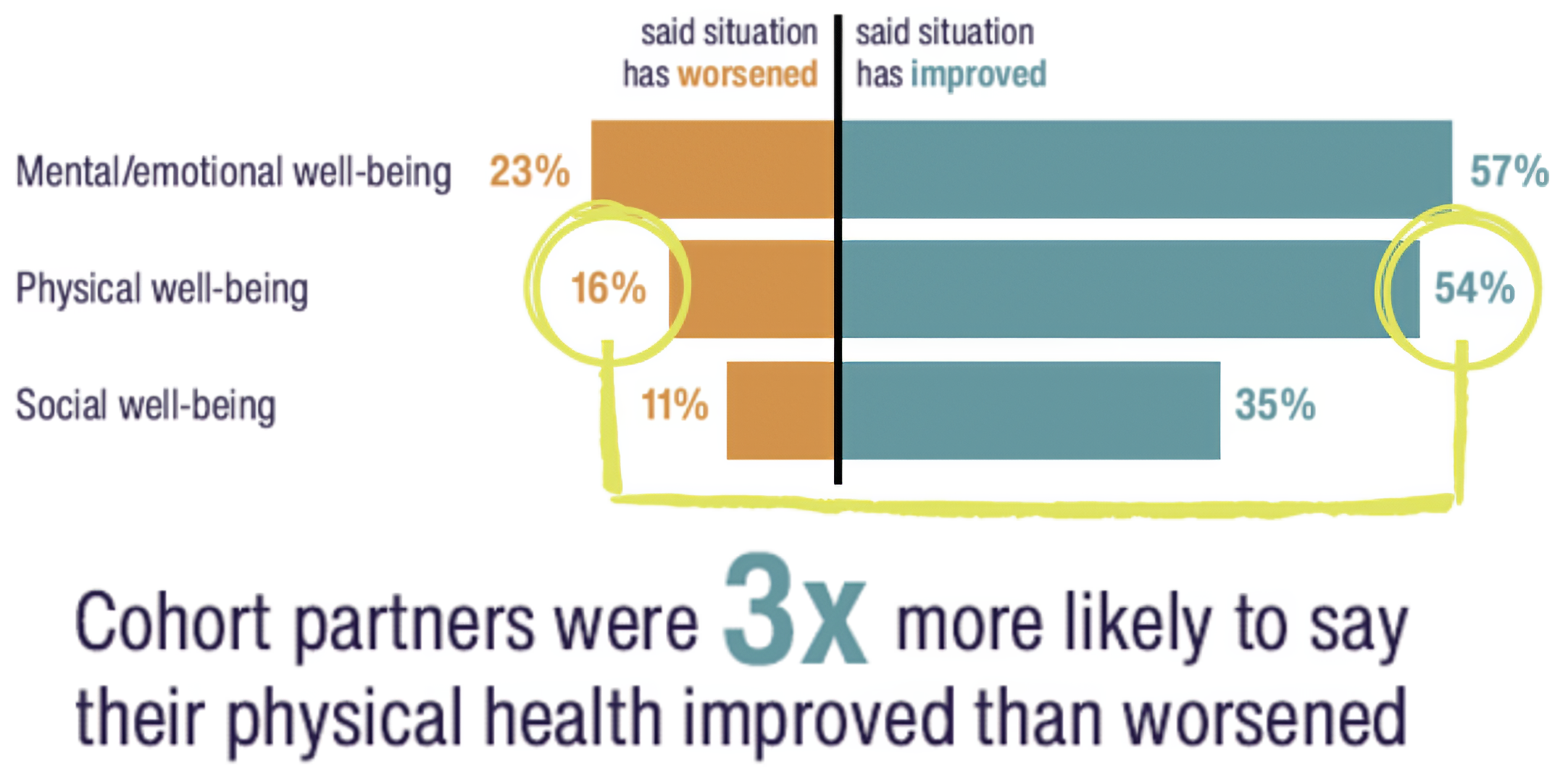
We learned that trauma-informed mental health support has a positive impact on Family Leaders and creates more space to connect with their children.
What we heard from Family Leaders:
“It helped me laugh more and not be so dictated by money but actually live in the present moment.”
— Family Leader
“I can invest in my kids and be more present and less stressed.”
— Family Leader
How we see this learning in the data:
Click image to view larger.
Belonging
We learned that starting from foundation of belonging cultivates emotional safety and a commitment to mutual support.
What we heard from Family Leaders:
“When I come here, my cup gets refilled.”
— Family Leader
“For me, I feel like it’s really been amazing…having that ‘me’ time, and kind of like that sisterhood, that community of women who understand.”
— Family Leader
How we see this learning in the data:
95%
reported feeling included, respected, and welcome

Opportunities for Action
Based on the year one learning, initiative partners have identified actionable ways in which cross-sector leaders might respond.
01.
Restructure programs and policies to provide families and individuals with consistent reliability and predictability.
02.
In the short term, invest in navigation and outreach supports that help families succeed within existing complex systems — while advancing policy and structural changes that make those systems more intuitive, equitable, and easier to access over time.
03.
Move beyond one-time training requirements by investing in organization-wide transformation, ensuring that trauma-informed principles shape policies, daily practice, and the culture of every family-serving program.
04.
Remove unnecessary bureaucratic barriers that delay or prevent access to essential services.
05.
Build in flexible, non-punitive support options to accommodate fluctuating family circumstances.
06.
Fund the development and maintenance of community-based peer networks and group learning spaces as a core part of family support programs.
07.
Measure and report on the health of relational infrastructure alongside traditional program metrics like service uptake and outcomes.
08.
Create policies that recognize and compensate for the time families invest in supporting one another through structured peer roles.

Go Deeper
The Investment in Families Initiative builds upon years on progress in the philanthropic and nonprofit sectors to center community voices, advance equity, and strengthen systems through learning and relationship. The Initiative offers a point -in-time reflection on what we are learning together – what’s working, what’s challenging, and how we’re adapting.